
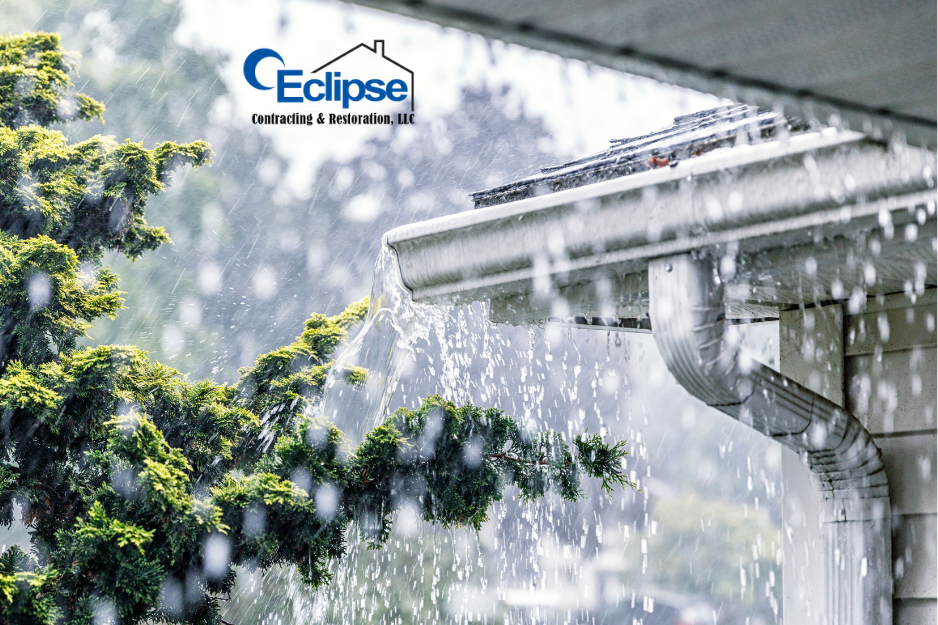
Spring in Kentucky can be beautiful one day and soaked the next. For homeowners in Louisville, those long stretches of heavy rain can do more than leave puddles in the yard. They can put serious stress on your gutter system.
Your gutters have one main job: move water away from your roof, siding, and foundation. When they are clean, secure, and properly pitched, they protect your home every time it rains. But when spring storms bring fast, heavy rainfall, even a small gutter problem can turn into roof leaks, wood rot, basement moisture, or foundation trouble.
Here’s what Kentucky homeowners should know about how heavy spring rain affects gutters, what warning signs to watch for, and how routine gutter maintenance can help prevent costly water damage.
Why Spring Rain Is So Hard on Gutters in Kentucky
Kentucky spring weather often brings repeated rounds of rain, wind, and storms. That means your gutters may have to handle large amounts of water several times in a short period.
The problem is not just the amount of rain. It is also what comes with it.
Spring storms can wash leaves, twigs, seed pods, roof grit, and other debris into your gutters. If that debris builds up, water cannot flow freely to the downspouts. Instead, it backs up, spills over the sides, or pools in areas where it should not.
When that happens, your gutter system stops protecting your home and starts creating risk.
Heavy Rain Exposes Weak Spots Fast
A gutter that works during light rain may fail during a downpour. Small clogs, loose fasteners, poor slope, or aging seams can all become bigger problems when water rushes through the system.
For example, if one downspout is partially blocked, water may collect in the gutter faster than it can drain. The extra weight can cause the gutter to sag or pull away from the fascia board. Once the gutter shifts, water may run behind it and toward your roofline.
The key takeaway: spring rain does not always create gutter problems from scratch, but it often reveals problems that were already forming.
Common Gutter Problems Caused by Heavy Rain
Gutters are built to handle water, but they are not built to hold standing water, heavy debris, or constant overflow. During a rainy Kentucky spring, these issues can show up quickly.
Clogged Gutters
Clogs are one of the most common gutter problems homeowners face. Leaves, pine needles, shingle granules, dirt, and small branches can collect in the trough and block the path to the downspout.
When gutters clog, water may:
- Spill over the front edge
- Back up under the roofline
- Run down siding or brick
- Pool near the foundation
- Add extra weight to the gutter system
A clogged gutter may seem like a small maintenance issue, but during heavy rain, it can send hundreds of gallons of water to the wrong places.
Sagging Gutters
Gutters can sag when they become overloaded with water and debris. This often happens when clogs keep rainwater from draining properly.
Sagging may also be caused by:
- Loose gutter hangers
- Rusted or damaged fasteners
- Poor installation
- Aging materials
- Fascia board damage
Once gutters sag, they lose the proper slope needed to move water toward the downspouts. Even a small dip can collect water, which adds more weight and makes the sagging worse over time.
Damaged or Leaking Gutters
Heavy rain can also make leaks more obvious. You may notice water dripping from seams, corners, end caps, or small cracks in the gutter.
Leaks often develop from:
- Worn sealant
- Separated joints
- Rust or corrosion
- Storm damage
- Loose connections
- Impact from branches or ladders
A few drips may not look serious during a light rain. But during a strong spring storm, those leaks can dump water directly against your home.
Downspout Problems
Your downspouts are just as important as the gutters themselves. If a downspout is clogged, crushed, disconnected, or too short, water may collect around your home instead of draining away from it.
A properly working downspout should direct water several feet away from the foundation. If water is pouring out right next to your house, your gutter system is not doing its full job.
What Happens When Gutters Fail?
Gutter problems can lead to more than annoying drips. When water does not drain away from your home, it can damage several major parts of the structure.
Here is where the trouble usually starts.
Roof Damage
When gutters clog or overflow, water can back up near the roof edge. Over time, that moisture can affect shingles, underlayment, fascia boards, and soffits.
You may see signs like:
- Water stains near the ceiling
- Rotting fascia boards
- Soft or peeling soffits
- Mold or mildew near the roofline
- Shingle damage along the edges
If water gets under the roofing materials, it can lead to leaks inside the attic or living space. What begins as a gutter issue can quickly become a roof repair.
Siding and Wall Damage
Overflowing gutters often send sheets of water down the side of the home. This can stain siding, damage paint, soak wood trim, or force moisture into small gaps around windows and doors.
Brick homes are not immune, either. Constant water runoff can stain masonry and contribute to moisture problems in mortar joints.
Over time, excess water on exterior walls can lead to:
- Peeling paint
- Warped siding
- Wood rot
- Mold growth
- Window frame damage
- Interior wall stains
Your gutters are meant to keep water off your walls. When they fail, your home’s exterior takes the hit.
Foundation and Basement Problems
One of the biggest risks of poor gutter drainage is foundation damage. When water pours straight down beside your home, it saturates the soil around the foundation.
That can lead to:
- Basement dampness
- Crawl space moisture
- Foundation cracks
- Soil erosion
- Uneven settling
- Mold or mildew odors
The issue can be worse during spring because the ground may already be wet from repeated rain. Once the soil becomes saturated, water has fewer places to go. If your gutters are overflowing or your downspouts are too short, that water may end up pressing against your foundation.
The takeaway is simple: gutters protect more than your roof. They help protect the entire structure of your home.
Signs Your Gutters Need Attention After Heavy Rain
You do not have to climb onto your roof to spot many gutter problems. In fact, some of the best warning signs are visible from the ground during or after a storm.
Look for these signs:
- Water spilling over the gutter edges
- Gutters pulling away from the roofline
- Sagging or uneven gutter sections
- Water stains on siding or brick
- Pools of water near the foundation
- Mulch or soil washed out below gutters
- Dripping from seams or corners
- Downspouts that release little or no water
- Peeling paint around fascia boards
- Plants or weeds growing in the gutter
If you notice any of these problems, do not ignore them. Gutter issues rarely fix themselves, and spring rain can make them worse fast.
How to Maintain Your Gutters During Kentucky’s Rainy Season
Regular gutter maintenance is one of the easiest ways to protect your home from water damage. A little prevention can help you avoid bigger repairs later.
Here is a practical maintenance plan for homeowners.
1. Clean Your Gutters Regularly
Clean gutters allow rainwater to flow freely. For many Louisville-area homes, gutters should be cleaned at least twice a year: once in the spring and once in the fall.
You may need more frequent cleaning if your home has:
- Large trees nearby
- Pine needles over the roof
- Frequent storm debris
- Older gutters
- A history of clogs or overflow
During cleaning, remove leaves, twigs, roof grit, and packed debris. Then flush the gutters with water to confirm that everything flows toward the downspouts.
If water sits in one area, the gutter may not be pitched correctly.
2. Check Downspouts for Blockages
A clean gutter will not help much if the downspout is clogged. During a heavy rain, watch how water exits each downspout.
If little water comes out, or if water backs up into the gutter, the downspout may be blocked.
Common downspout clog locations include:
- The top elbow
- The bottom elbow
- Underground drain connections
- Crushed or bent sections
- Areas packed with leaves or seed pods
Make sure each downspout directs water away from the foundation. If needed, add extensions or splash blocks to carry water farther from the house.
3. Inspect for Sagging, Separation, or Loose Fasteners
After a storm, walk around your home and look at the gutter line. Gutters should appear straight, secure, and slightly sloped toward the downspouts.
Watch for:
- Sections pulling away from the fascia
- Gaps between the gutter and roofline
- Missing or loose hangers
- Bent metal
- Uneven or dipping sections
- Screws or nails on the ground
Sagging gutters need attention quickly. The longer they hold water, the more strain they put on the fascia board and fasteners.
4. Look for Leaks at Seams and Corners
Gutter leaks are easiest to spot while it is raining. Look for dripping at joints, corners, and end caps.
Small leaks may be sealed in some cases, but larger leaks, rusted sections, or separated joints may require repair or replacement.
Do not rely on temporary fixes if the gutter is badly damaged. A patch may slow the leak, but it will not solve poor drainage, sagging, or structural weakness.
5. Trim Nearby Trees
Tree branches can drop leaves, twigs, and seeds directly into gutters. They can also scrape roofing materials or break off during storms.
Trimming branches back from the roof can reduce gutter clogs and help prevent storm damage. It also makes it easier for your roof and gutters to dry after rain.
6. Consider Installing Gutter Guards
Gutter guards can help reduce the amount of debris that enters your gutter system. They are especially helpful for homes surrounded by trees or homes that deal with frequent clogs.
Gutter guards can help:
- Limit leaf buildup
- Improve water flow
- Reduce cleaning frequency
- Keep downspouts clearer
- Protect against larger debris
However, gutter guards are not a “set it and forget it” solution. They still need occasional inspection and maintenance. The right system should match your roof, tree coverage, and gutter style.
A professional can help you decide whether gutter guards make sense for your home.
Common Gutter Maintenance Mistakes to Avoid
Good gutter care is not just about what you do. It is also about what you avoid.
Waiting Until There Is a Leak
Many homeowners do not think about gutters until water is already entering the house. By then, the damage may have reached the roof deck, fascia, siding, or foundation.
It is better to inspect gutters before and after heavy rain, especially during spring storm season.
Ignoring Small Sagging Areas
A small sag can become a large problem. Once water starts pooling, the added weight can pull the gutter farther out of place.
If you see one low spot, get it checked before the next round of heavy rain.
Letting Downspouts Drain Too Close to the Home
If your downspouts end right at the foundation, they are not carrying water far enough away. This is one of the most common causes of water pooling around a house.
Downspout extensions are simple, but they can make a major difference.
Assuming All Gutter Guards Are the Same
Different homes need different gutter guard systems. A product that works well for large leaves may not handle pine needles or roof grit as effectively.
Before installing gutter guards, make sure the gutters are clean, secure, and properly pitched.
A Quick Spring Gutter Checklist for Louisville Homeowners
Use this simple checklist after heavy rain or before the next storm rolls in:
- Clear leaves, twigs, and debris from gutters
- Flush gutters and downspouts with water
- Check for sagging or pulling away from the home
- Look for leaks at seams, corners, and end caps
- Make sure downspouts drain away from the foundation
- Inspect fascia and soffits for soft spots or peeling paint
- Watch for water stains on siding, brick, or interior ceilings
- Consider gutter guards if clogs keep coming back
- Schedule a professional inspection if anything looks damaged
This quick routine can help you catch small gutter issues before they become expensive repairs.
Protect Your Home Before the Next Heavy Rain
Kentucky spring rain can be tough on your gutters, especially when clogs, sagging sections, or hidden damage are already present. When gutters fail, water can reach your roof, walls, basement, and foundation. That is why routine cleaning, inspections, and timely repairs are so important.
If you are seeing overflowing gutters, leaks, sagging sections, or water pooling around your home, Eclipse Roofing Louisville can help. Contact Eclipse Roofing Louisville today to schedule a professional gutter inspection and repair service before the next storm puts your home at risk.