A severe storm rolling through Louisville can be a stressful event for any homeowner. The aftermath often brings a wave of uncertainty, especially when you discover damage to your roof. Navigating the insurance claim process while trying to understand complex roofing estimates can feel overwhelming. This guide is here to help.
We will walk you through the essential steps to take after a storm, from documenting the damage to working with your insurance company. We will also break down how to read a roofing estimate so you can make an informed decision for your home.
Your Step-by-Step Guide to Post-Storm Action
Discovering your roof has been damaged by wind, hail, or falling debris requires a calm and methodical approach. Acting quickly can prevent further damage to your home and streamline your insurance claim.
1. Prioritize Safety and Document the Damage
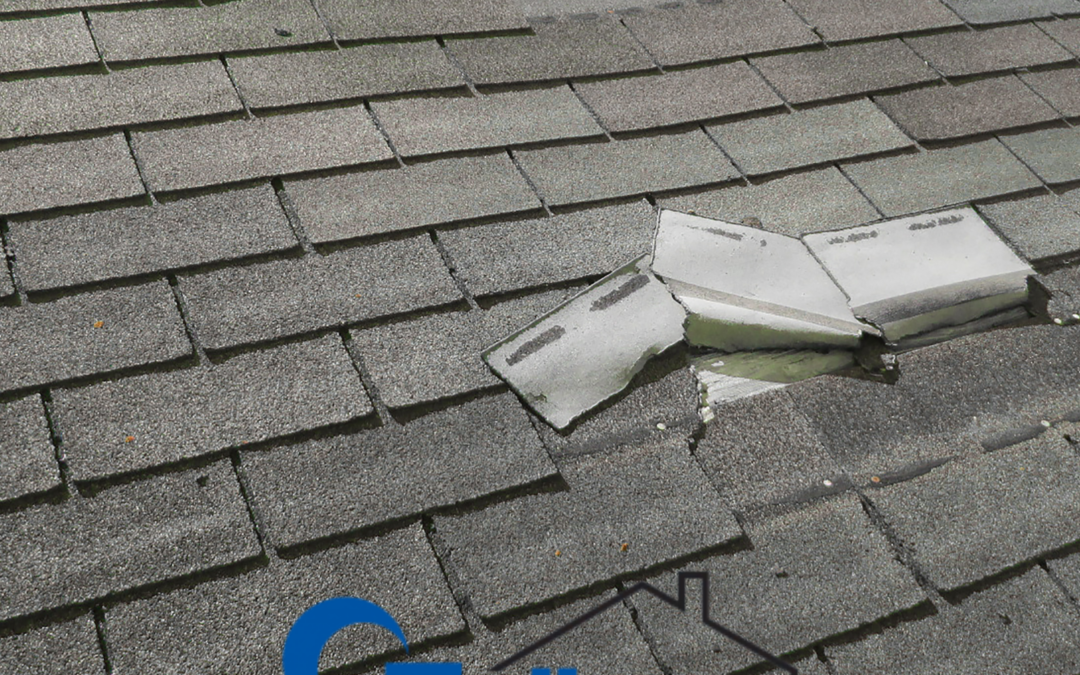
Your family’s safety is the top priority. After the storm has passed and it is safe to go outside, carefully inspect your property from the ground. Look for obvious signs of damage like missing shingles, dented gutters, or fallen tree limbs on your roof.
It is crucial to document everything before any repairs are made. Use your smartphone to take clear photos and videos of:
- The entire roof from different angles.
- Close-ups of damaged shingles, vents, and flashing.
- Any damage to siding, windows, or landscaping.
- Interior damage, such as water stains on ceilings or walls.
This visual evidence will be essential for your insurance claim.
2. Take Steps to Prevent Further Damage
If you have active leaks or significant damage, you have a responsibility to prevent the situation from getting worse. This is often referred to as “mitigating damages.” You can place buckets under leaks or cover a damaged area of the roof with a tarp.
Be extremely cautious if you decide to do this yourself. Walking on a wet or damaged roof is dangerous. For significant issues, it’s best to call a professional roofing contractor, like Eclipse Roofing, for emergency tarping services. Keep receipts for any materials you purchase for temporary repairs, as these may be reimbursable by your insurance.
3. Contact Your Insurance Company
With your initial documentation in hand, contact your insurance agent or the claims department of your insurance provider to report the damage. Have your policy number ready and provide a clear, concise description of what happened.
They will assign you a claim number and explain the next steps in their process. This usually involves scheduling a visit from an insurance adjuster who will come to your property to assess the damage.
4. Schedule a Professional Roof Inspection
While you wait for the insurance adjuster, you should have your roof inspected by a trusted, local roofing contractor. An experienced roofer can identify damage that isn’t always obvious from the ground or to an untrained eye.
At Eclipse Roofing, we provide thorough inspections and detailed reports that you can share with your insurance adjuster. Having a professional assessment from a contractor gives you a valuable second opinion and a benchmark to compare against the adjuster’s report. We can meet with your adjuster on-site to ensure all damage is properly identified and documented.
How to Read and Understand Your Roofing Estimate
Once the damage has been assessed, you will receive one or more estimates from roofing contractors. These documents can be dense with industry terms. Understanding the key components will empower you to compare offers and choose the right contractor for the job.
An estimate is more than just a price; it is a detailed scope of work. Here is what to look for:
Company Information and Scope of Work
The estimate should clearly display the contractor’s name, address, phone number, and license information. It should also include a detailed description of the work to be performed. Vague descriptions like “repair roof” are a red flag. Look for specific line items that outline each step of the project.
Material Specifications
This section details the specific products that will be used for your roof replacement or repair. It should include:
- Shingle Type and Manufacturer: Brand name, product line (e.g., GAF Timberline HDZ), and color.
- Underlayment: The type of water-resistant barrier installed between the shingles and the roof deck.
- Ice and Water Shield: A specialized, self-adhering membrane installed at vulnerable areas like eaves and valleys to prevent leaks from ice dams.
- Flashing: The metal pieces used to direct water away from chimneys, vents, and walls. The estimate should specify if existing flashing will be replaced or reused.
- Ventilation: Details on the type of vents being installed to ensure proper attic airflow.
Labor and Installation Details
This part of the estimate covers the work involved in the project. It should specify costs for:
- Tear-Off and Debris Removal: The cost to remove the old roofing materials and dispose of them properly. This should include the cost of a dumpster and cleanup.
- Installation: The labor cost for installing the new roofing system according to manufacturer specifications.
- Decking Replacement: Roof decking is the wood sheeting that makes up the surface of your roof. The estimate should include a per-sheet price for replacing any rotten or damaged decking found after the old roof is removed. This is often listed as a “contingency” cost.
Warranty Information
A quality roofing estimate will outline two types of warranties:
- Material Warranty: This is provided by the manufacturer of the shingles and other components. It covers defects in the products themselves. The length and coverage can vary significantly between products.
- Workmanship Warranty: This is provided by the roofing contractor and covers errors in installation. A reputable company like Eclipse Roofing stands behind its work with a strong workmanship warranty, giving you peace of mind.
Payment Terms and Total Cost
Finally, the estimate must clearly state the total cost of the project and the payment schedule. This includes the amount due for a down payment, progress payments, and the final payment upon completion. Be cautious of any contractor who demands full payment upfront.
Dealing with storm damage is never easy, but with the right knowledge and a reliable partner, you can navigate the process smoothly. By carefully documenting damage, communicating with your insurer, and understanding your roofing estimate, you can ensure your home is restored correctly and protected for years to come.
If you need a professional inspection or help with your storm damage claim in the Louisville area, contact the trusted experts at Eclipse Roofing and Restoration today.